



Introversion · Intuition · Feeling · Judging
Jungian Typology
16-Type Framework
Big Five Cross-Reference
No Signup Required
Free to Start
A personality test is not a horoscope, and it is not a pass-or-fail exam. It measures something usually invisible: the steady patterns behind your everyday choices. Do you recharge alone or around people? Do you trust facts or instinct? Do you decide with logic or values? Do you like plans, or do you prefer to stay open-ended?
The framework behind MindAura’s test traces back to psychologist Carl Jung, who proposed that people have consistent, observable preferences in how they perceive the world and make decisions. That theory was later built into a practical, question-based framework that sorts people into 16 personality types, made from four separate preference pairs. Everyone leans somewhere on each of these four questions, and that lean tends to stay fairly stable across your life.
Where you direct and recharge your energy. Inward through reflection, or outward through interaction.
How you take in information. Through concrete facts and details, or through patterns and possibilities.
How you make decisions. Through logical analysis, or through personal values and impact on people.
How you approach structure. Through Plans and closure, or through flexibility and staying open.
The 16 types group into four broader clusters based on shared traits. Here is a plain-language snapshot of each one.
Strategic Thinkers all share a Thinking-plus-Intuition combination. That pulls them toward systems, patterns, and long-range planning, whether they're introverted or extraverted about it.
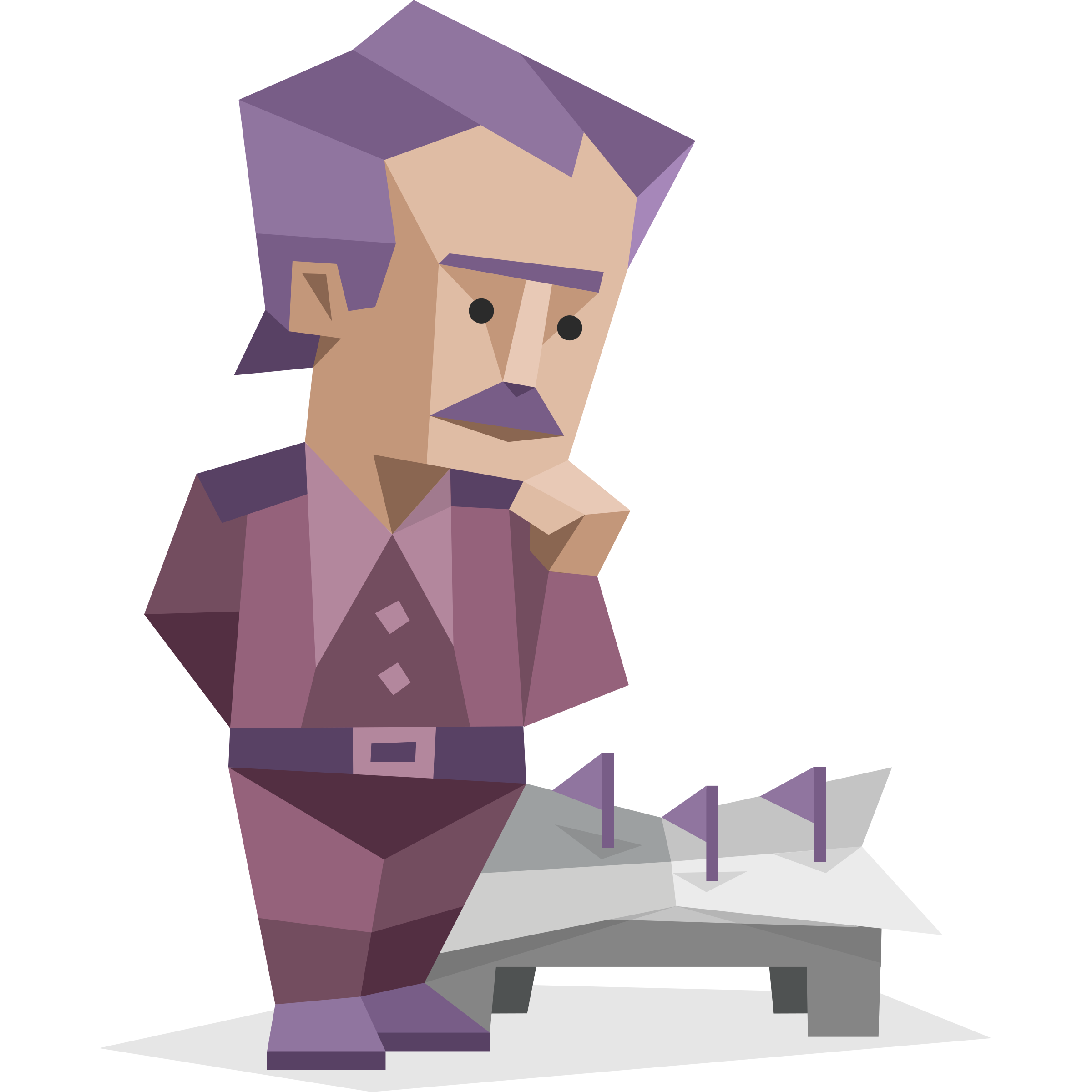
Independent and big-picture, driven by long-term plans and high standards.

Loves ideas and theories, values logic over convention.
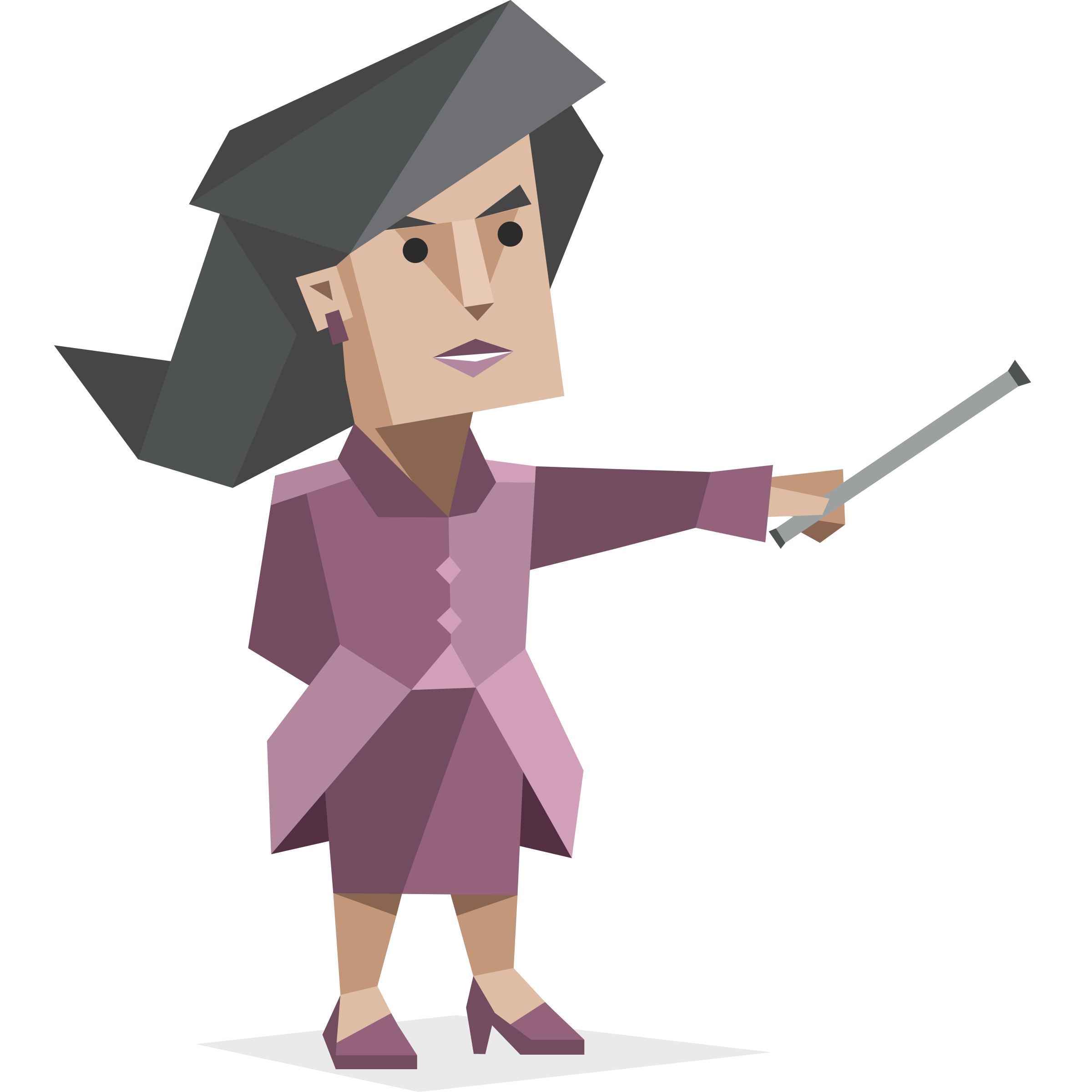
Decisive and goal-driven, natural at organizing people and plans.

Quick-witted, enjoys challenging ideas and exploring possibilities.
Values-Driven Connectors all share an Intuition-plus-Feeling combination. That pulls them toward meaning, people, and purpose over raw logic or immediate results.

Deep and purpose-driven, reads people and situations quickly.

Guided by personal values, creative, quietly idealistic.

Warm and persuasive, energized by helping others grow.

Warm and spontaneous, drawn to new people and possibilities.
Dependable Organizers all share a Sensing-plus-Judging combination. That pulls them toward structure, accuracy, and follow-through over improvising as they go.

Practical and detail-focused, values order and follow-through.

Warm and dutiful, quietly attentive to others' needs.

Organized and direct, comfortable taking charge and setting rules.

Sociable and supportive, keeps groups running smoothly.
Adaptable Doers all share a Sensing-plus-Perceiving combination. That pulls them toward the present moment and hands-on action, instead of locking into a fixed plan.

Hands-on and calm under pressure, learns by doing.
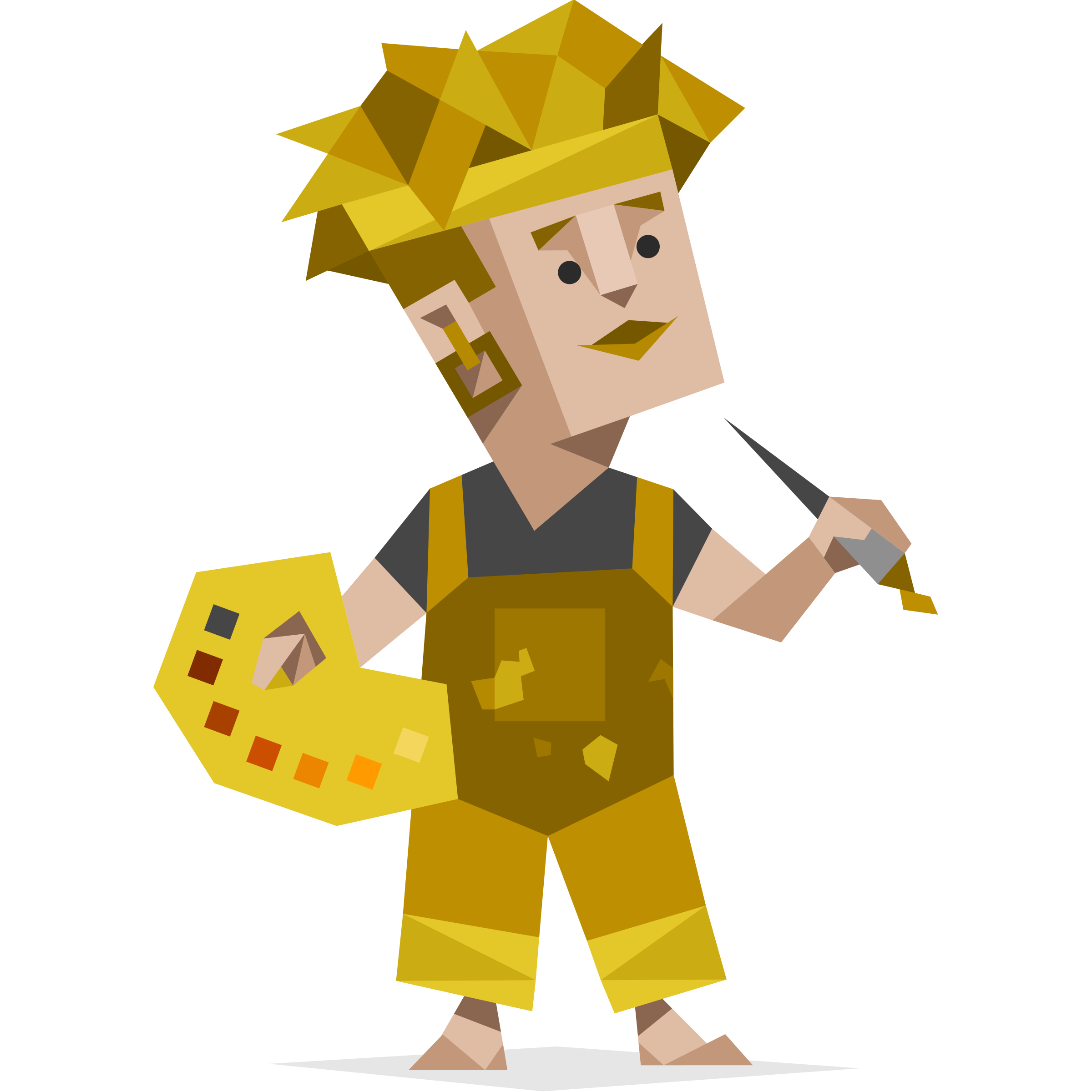
Sensitive and artistic, prefers to lead by quiet example.

Energetic and action-oriented, thrives in the moment.
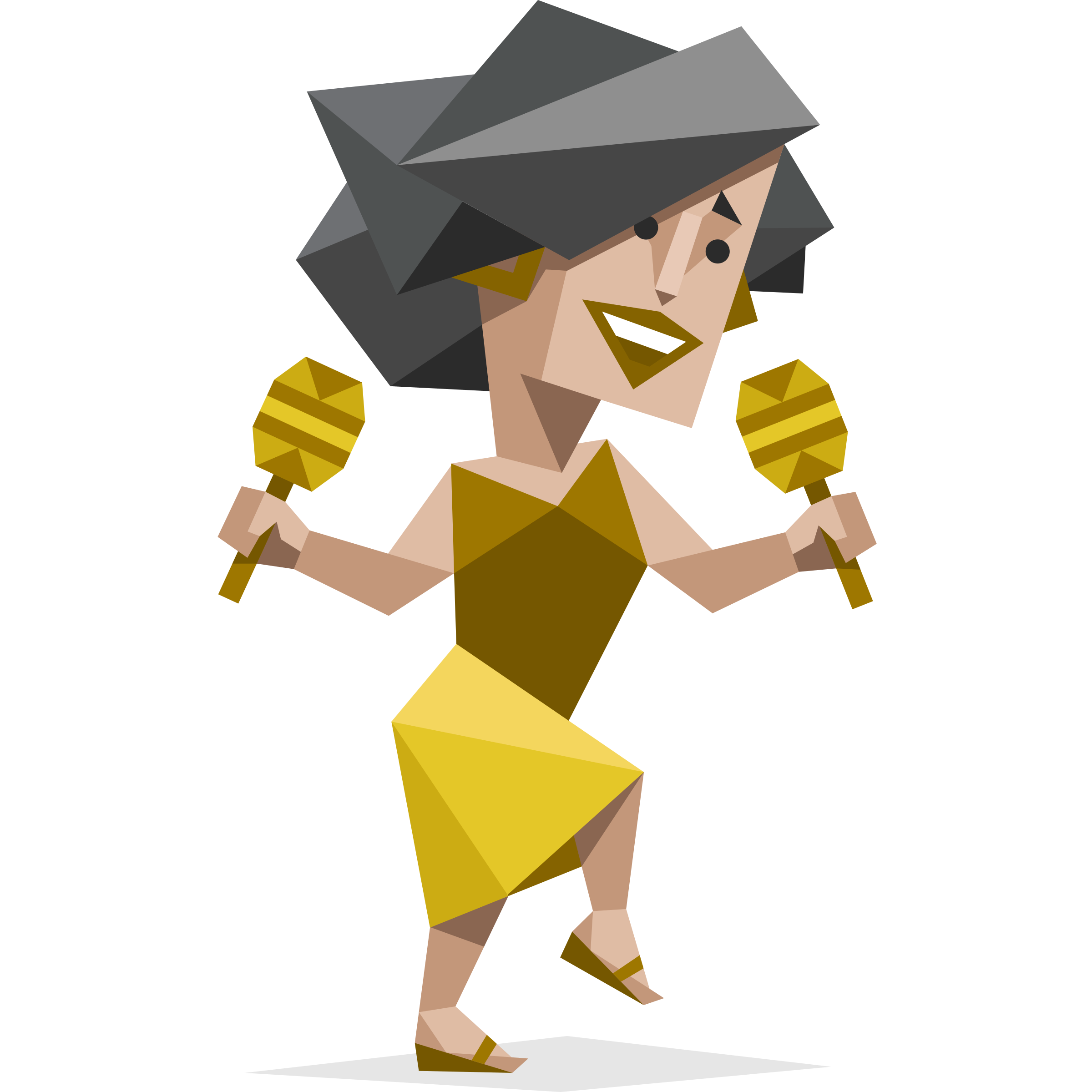
Fun-loving and expressive, brings energy into any room.
Someone sitting at 55% Introverted might feel fine at large gatherings and only occasionally crave solo time. Someone at 95% Introverted might need real recovery time after almost any social event. Both share the same letter, but their day-to-day experience is very different. Reading the full breakdown, not just the four-letter code, gives you a far more useful picture of yourself.
| Framework | Measures | Output | Best For |
|---|---|---|---|
| 16 Personality Types | Energy direction, information intake, decision style, structure preference | A four-letter type, like INFJ | Quick, memorable self-understanding |
| Big Five (OCEAN) | Openness, Conscientiousness, Extraversion, Agreeableness, Neuroticism | Five continuous trait scores | Academic research, considered the most validated model |
| Enneagram | Core motivations, fears, and unconscious drivers | One of 9 core types plus a wing | Deep personal growth work |
| DISC | Dominance, Influence, Steadiness, Conscientiousness | A primary behavioral style | Workplace communication and teams |
Your core preferences tend to stay stable, but how strongly they show up can shift with age, growth, and circumstance.
Introversion and extraversion are about where you get energy, not confidence or social skill.
Every type shows up across every profession and income level. Fit matters more than type.
The underlying dichotomies are grounded in decades of psychological research, even if free online versions vary in rigor.
Knowing your type helps you ask better questions about a job before you take it, not after you're unhappy in it.
Naming a type difference with a partner usually defuses more conflict than trying to fix it.
Your weakest preference is often your biggest growth edge, not a permanent limit.
Naming type differences out loud usually turns friction into a real advantage instead of a character flaw.
Jung first published his theory of psychological types, describing how people differ in perceiving and judging the world.
Decades later, researchers built on Jung's theory to create a questionnaire that sorts respondents into 16 categories.
The four letters interact rather than working alone, which is why two types sharing three letters can still feel very different.
Jungian typology, not a quiz someone made up over a weekend.
Your full four-letter type and percentage breakdown the moment you finish.
Your results are yours. Nothing goes to employers or schools unless you share it.
Practical tips for career, relationships, and growth, not just a label to file away.
To take the test
Questions